
Why I Should Never Be Allowed Near a New Idea Unsupervised
I suffer from a rare disease called "Creative Incontinence". It usually sets in first thing in the morning under a hot shower. A perfectly innocent idea can wander into my mind from nowhere and, before I've got to washing the conditioner off my hair, I've given it a name, identified its target market, worked out roughly what I could charge for it and started wondering whether the domain name is available.
Afterthought: Actually, buying a great domain name can be a good idea, as the chances are you can make a good profit selling it when you have finally decided your original business idea won't work.
Creative Incontinence isn't always a bad thing. It is probably why, over the years, I have managed to turn knitting, soapmaking, writing and various other enthusiasms into businesses, but it is also why I don't have a million pounds in the bank and should never be allowed near a new idea unsupervised.
Ideas are dangerously seductive, as they arrive without any of the irritating baggage that an actual business brings with it. They have no difficult customers. No cash-flow problems. No marketing costs. No competitors doing something remarkably similar for half the price. At the idea stage, everything is possible, and that is precisely where the trouble starts.
Because an interesting idea and a commercial opportunity are not the same thing.
Many of the clients who come to me have fallen in love with an idea and then immediately started building the business around it. They've designed the logo. They've commissioned the website. They've ordered the packaging. They've set up the social media accounts and, in some instances, before they have even got to me, they've invested thousands of pounds that they don't actually have. Then it's left to me (straight-talking Big Bad Wolf and Dream Crusher) to ask the rather tiresome question:
Who is actually going to buy this and why ?
That question has ruined many a perfectly enjoyable coaching session. But, amongst several others that I've yet to ask, it is one of the questions that can make the difference between success and failure.
The truth is, a good idea becomes a commercial opportunity only when it survives contact with other people, and by other people I don't mean your family and friends or Sheila in the office. They don't count. Ultimately, the only people who count are the ones prepared to take out their credit card and buy it. Enthusiasm is lovely. Evidence is better.
Over the years I've become much better at interrogating my own ideas before allowing them out of the house.
Who is this for? What problem does it solve? Do people care enough about that problem to spend money solving it? Can I reach them without re-mortgaging the farmhouse? Can I charge enough to make my time and effort worthwhile? Will the idea scale up and what bits will I be able to delegate? And, perhaps most importantly: Do I actually want the business that comes attached to this idea?
That last question is surprisingly easy to forget. You can love making something and hate selling it. You can love working with clients and hate managing a team. You can create a wonderful product only to discover that the business requires you to spend your days worrying about stock, fulfilment and Facebook advertising. Sometimes the business model needed to make an idea successful bears remarkably little resemblance to the life you imagined when you had the idea.
None of this means we should stop having ideas. One idea feeds the next, and nothing is more exciting than having a "ding moment" and a sparkly new concept to think about. I still have moments when something pops into my head and I think, That's brilliant. Occasionally it is. Quite often it isn't.
The difference is that these days I try not to marry the idea on the first date. I ask myself awkward questions, and I put the idea safely away in a drawer and revisit it a couple of weeks later to see if it is still as exciting. If it is, then before I invest any money in it, I look for evidence that will prove that this truly is a potential business.
Ideas are wonderful things. But they are also cheap.
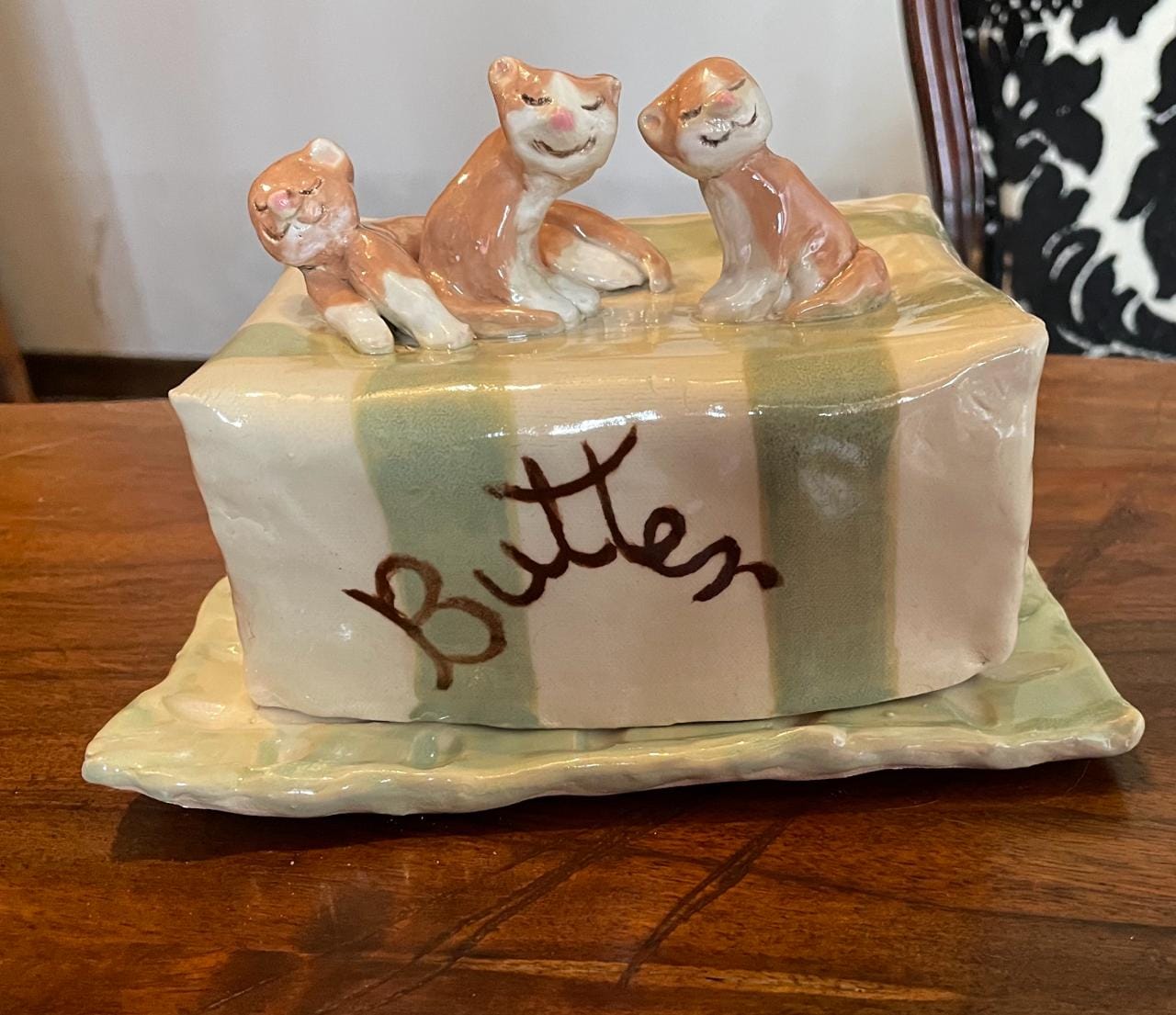
By the way, did I show you my personalised pets, handmade butter dishes? They have the potential to take up eight hours of my day, require an £10,000 investment in a bigger kiln and earn me approximately £3 an hour. Everybody absolutely loves them!
See? Creative Incontinence.
If you're sitting on your own sparkly new idea, shall we make sure your reinvention starts on the right track? Warning, don't trust Chat GPT or Claude with this job - they will always tell you how much they love it !
Check this out: https://www.melindacoss.com/re-invention
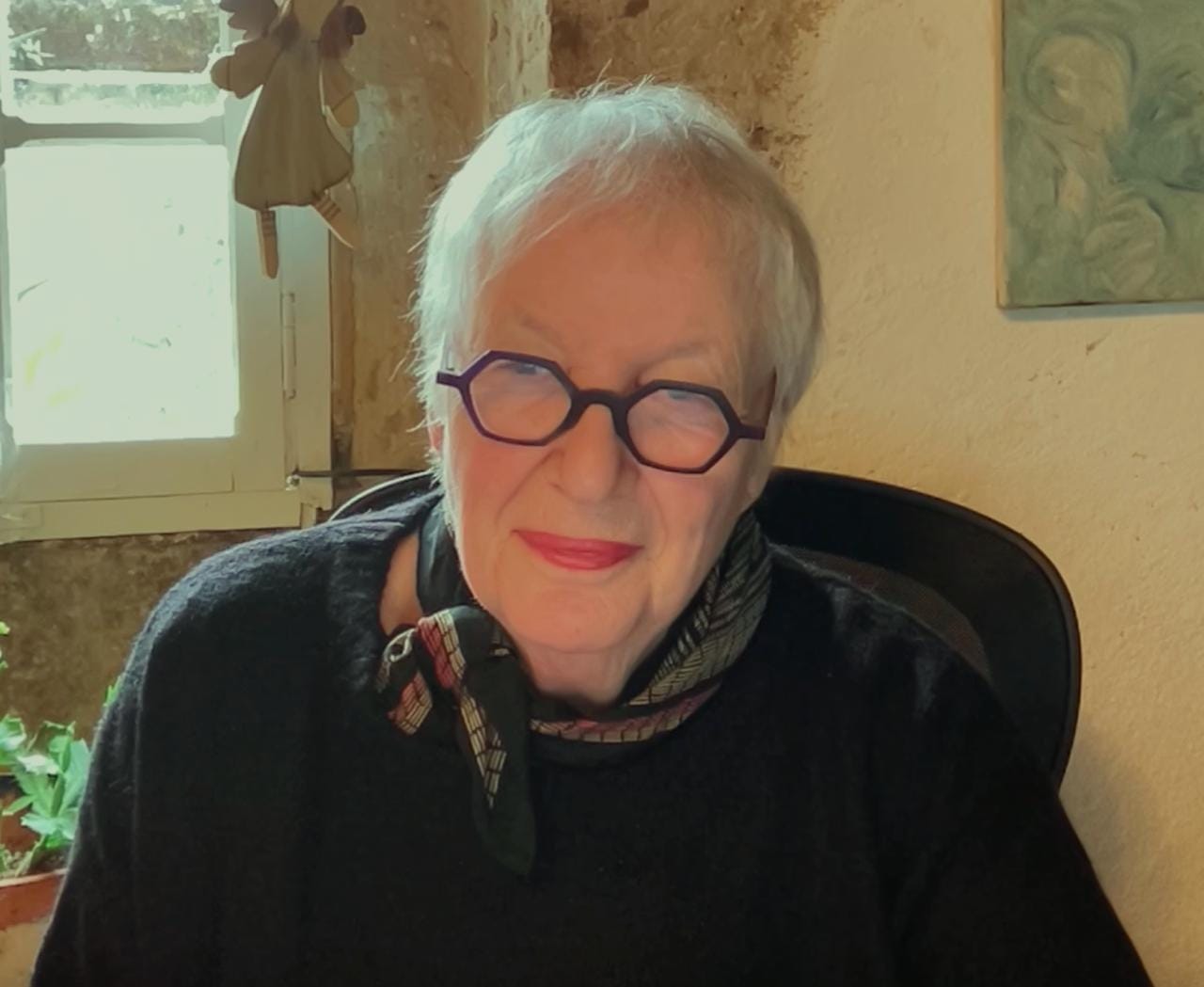
HEY, I'M MELINDA COSS
Thank you for pulling up a chair at my kitchen table this week.
Every week I share another observation about business, reinvention and the curious things I've learnt from a lifetime of building businesses and helping others build theirs.


JOIN MY MAILING LIST

Created with © systeme.io