
You Dont Have to Start Again
I've reinvented myself rather a lot over the years, although I don't remember ever sitting down with a large sheet of paper and announcing, "Today I shall reinvent myself." Usually it was considerably less organised than that. Sometimes I was bored, sometimes an opportunity appeared and sometimes I had an idea that seemed far too interesting not to pursue, this has probably been responsible for quite a lot of trouble over the years.
I've been a designer, an author, a manufacturer, an entrepreneur, a PR, a business mentor and various things in between. I've created businesses in industries I initially knew very little about and walked away from others I'd spent years learning. Looking back, though, I realise that I never actually started again. I always took things with me.
The commercial instincts developed in one business came into the next. The creativity went everywhere. So did the mistakes, although fortunately they eventually turned into experience and became considerably more respectable. Contacts came with me, confidence came with me and so did an understanding of people and an increasing ability to recognise an exciting idea that had absolutely no hope of making any money — a skill I wish I'd acquired rather earlier.
I think we misunderstand reinvention because we imagine it requires us to abandon one identity and manufacture another. It doesn't.
The people I talk to who want something different from the next stage of their lives often begin by telling me what they don't want. They don't want to work five days a week anymore, they don't want their income entirely dependent upon turning up and doing the work themselves, they don't want the corporate job or the stress that went with it, but they don't particularly want to retire either.
What they haven't worked out is what they do want, and that's where things get interesting.
By the time you reach your 40s, 50s, 60s or beyond, you've accumulated an extraordinary amount of capital that doesn't appear on a bank statement. Knowledge, reputation, relationships, judgement and experience, together with skills you no longer even recognise as skills because you've been doing them for so long that they seem perfectly ordinary.
They're not ordinary. They're assets.
The mistake is thinking reinvention means throwing all of that into the bin and setting off enthusiastically in search of a completely new you. I think that's nonsense. A clever reinvention starts by taking stock of what you already have, not simply your qualifications or CV, but everything you've learned about what you're good at, what people value in you, what you enjoy, what you never want to do again and what you know now that you didn't know twenty years ago.
Then comes the more difficult question: what do you actually want your life to look like?
I deliberately say life, rather than business or career, because those decisions should come afterwards. How much do you want to work? Where do you want to work? How much money do you need and, just as importantly, how much do you want? Do you want responsibility or a team? Do you want to travel? Do you want to be known for something? Do you want to build something you can eventually sell? Or do you simply want enough money, enough freedom and enough stimulation to make Monday morning something you quite look forward to?
Unfortunately, we tend to do the whole thing backwards. We spot an interesting business opportunity and try to squeeze our lives around it. Or somebody tells us there is a fortune to be made from online courses and six months later we're sitting in front of a ring light explaining Module Four to three people and a bot somewhere in the middle of the Sahara desert.
That's not reinvention. That's acquiring a new job with worse lighting.
A successful reinvention has to bring together what you already have, what you genuinely want and what somebody will actually pay for. Leave any one of those out and eventually something starts to wobble.
It also takes a certain amount of courage because, oddly enough, changing direction can become harder when you've already been successful. When you're 22, nobody is terribly surprised if you announce that you're going to Peru to breed llamas. Try it at 62 when you've spent thirty years as a solicitor and people start quietly asking your partner whether everything is all right.
But why shouldn't we change? We are living longer, the world of work is changing faster than at any point in our lives and technology is making businesses possible that would have required offices, staff and enormous investment only a few years ago. Most importantly, we know more.
That last bit matters because reinvention isn't about pretending to be 25 again. It's about asking what the person you are now could create with everything the previous versions of you have learned.
I've been thinking about this a great deal recently, partly because I find myself having these conversations increasingly often, so I've decided to do something about it.
I'm opening a small number of private Reinvention Consultations for people who know they want their next chapter to look different but haven't yet worked out what that difference should be, or how to make it commercially viable.
We'll work together over three sessions. We'll look at what you've accumulated over the years that has real value, explore the possibilities that could give you the life you actually want and then turn the best of those possibilities into a practical plan. This isn't therapy and we won't be spending three sessions discovering your inner goddess. I am far more interested in discovering what people might actually pay you for. Dreams are lovely things, but I've always preferred mine with a business model attached.
If you're standing at one of those interesting crossroads and wondering what on earth you should do with the next ten, twenty or thirty years, perhaps we should talk.
Are you going to be my next success story ? Check this out:
https://www.melindacoss.com/re-invention
Love
Melinda

HEY, I'M MELINDA COSS
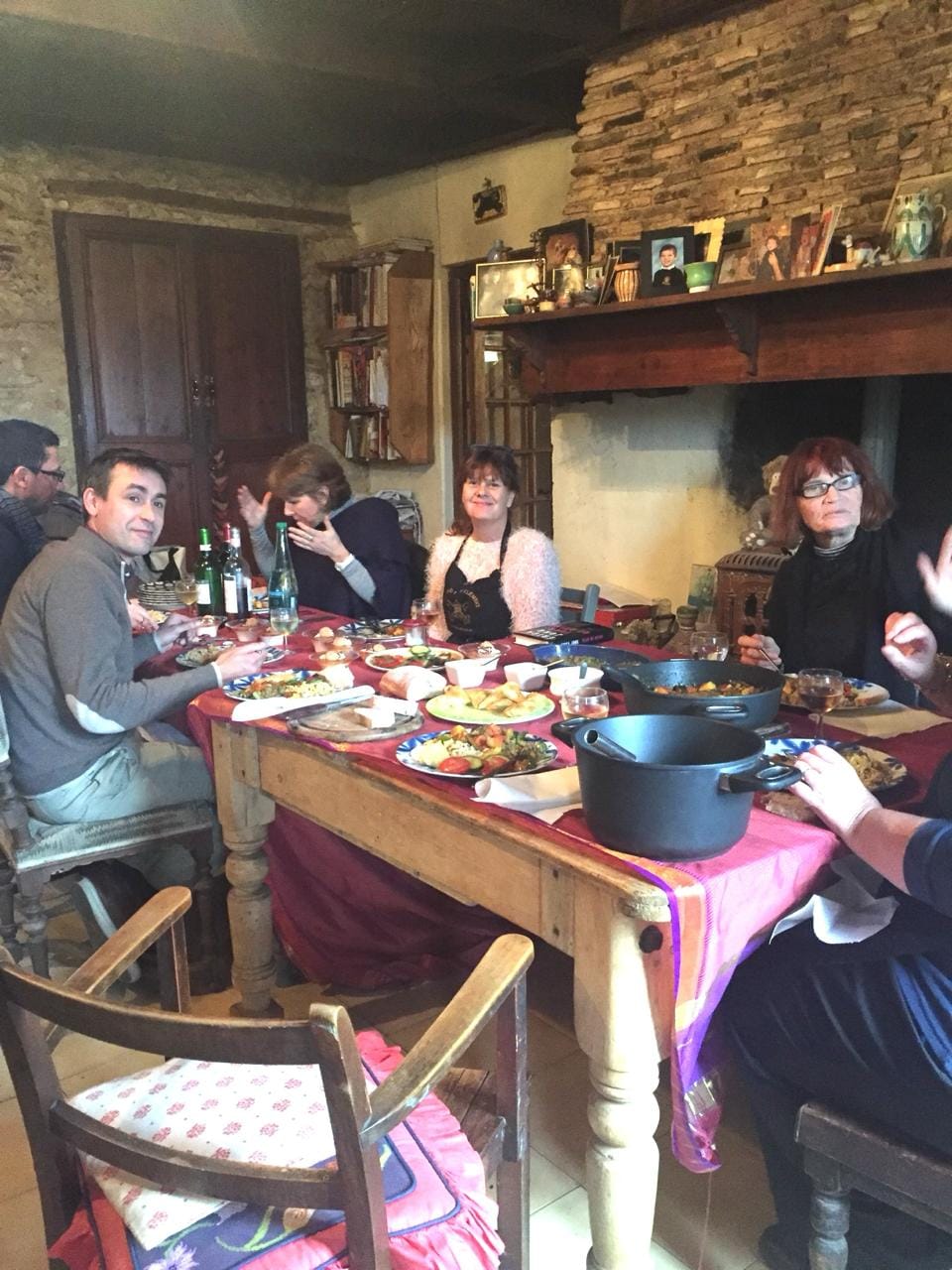
Thank you for pulling up a chair at my kitchen table this week.
Every week I share another observation about business, reinvention and the curious things I've learnt from a lifetime of building businesses and helping others build theirs.


JOIN MY MAILING LIST

Created with © systeme.io